Ai In Education
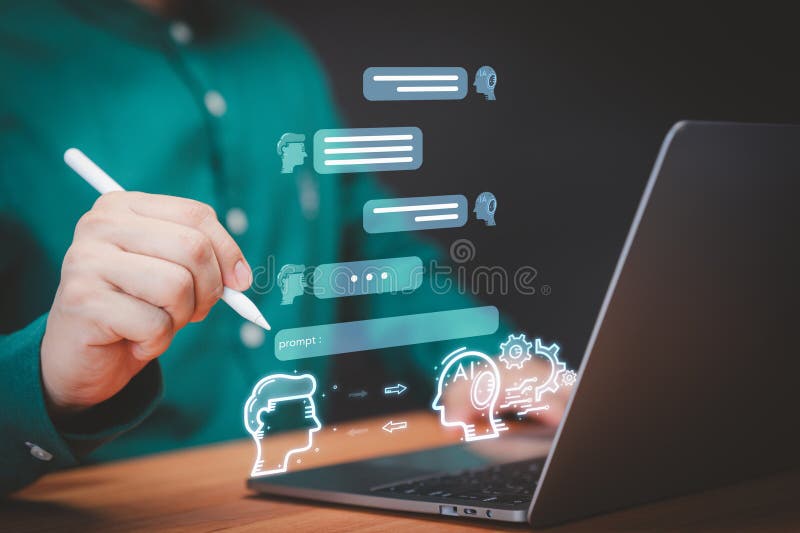
Artificial intelligence is rapidly reshaping education. From automated grading systems to personalized tutoring platforms, AI tools are increasingly being used to generate feedback, streamline assessment, and tailor instruction. While these innovations offer powerful possibilities, their use also raises important ethical and professional questions. As educators, the challenge is not whether to use AI, but how to use it responsibly and effectively.
Ai For Feedback
How Ai Can Support Timely, Meaningful Feedback
Ai can provide immediate corrections or hints, identify patterns in students work, offer different feedback based on skill level, and can track progress over time. This information being outputted almost isnatntly supports leanring because feedbakc is most effective when it is timely and specific. Indeated of waiting days for graded assignments, or even taking the time to grade the work yourself, studnts can revise and improve thei rwork in the moment.
Benefits of Ai-Generated Feedback
There are four main benefuts that come to mind when aksed, efficiancy, consistancy, personalization, and data insights. First efficiency, this saves educators the time on grading repetivite assignmnets. For simple worksheets, grading the same assignment thirty times can be time consuming and repetitive. With the use of ai teahces are able to speed up the grading process. Next consistancy, which applies the same criteria to all asssignments. This also helps with the efficiency because you know youre going to get the same guidelines every time when having ai grade assignments. Then personalization, this adapts difficulty and suggestions to individual needs. So for students with disablities, gifted students, or even students who are leanring english as a second language, having ai personalize assignments, worksheets, or notes to help the student and make shcool more accessable is essential. Fianlly data insights, this can highlight trends across your class. It can help point out students who are excelling in the class or ones who are falling behind and might need a little extra help.
Limitations of Ai-Generated Feedback
While ai in education might sound awsome after looking at all of the benefits, there are also downsides and restrictions that come with it. First, ai can miss tone and creativity in work. Ai is a robot that doesn't have a personality or feelings so it takes the "human" out of work, which also takes away the tone or mood of a passage, or the creativity of an assignment. Ai also relies on training data that could contian bias. Ai is very new and still in the developing stages, there are going to be slip up sand won't always give you the most accurate or reliable information. Fnally, ai is very surface-level only. The system will only give you what you ask, it will not give you and innovative ideas or deep thought behind what they are tellling you. Ai can flag scentance structre issues, but it can not fully unerstand a student's personal voice, lived experiances, or emotions.
 |
| Thinking and using AI in the classroom |
Acedemic Integrity & Ethics
Key Concerns For Educators
As ai becomes more embedded in classrooms, several ethical considerations emerge.
Bias:
Ai systems are trained on exsisting databases. If those databases reflect cultural or linguistic bias, feedback may unfairly disadvantage certain students.
Accuracy:
Ai tools can generate inccorect feedback. Over-reliance without verification risks spreading misinformation.
Privacy:
Student data entered into Ai systems must be protected. Edcucators must ensure compliance with with privacy laws and district policies.
Origionality & Acedemic Intergrity:
If studnets use Ai to generate responses, questions arise about authorship and authentic leanring. Clear policies must define appropriate use.
Where Human Judgement Must Remain Essential
Teahcers have many responsibilities other than just teahcing content to students. These consist of final grades, high-stakes decisions, interpretation and complex reasning, evaluating creativity, social and emotional feedback, and ethical oversight...just to name a few. Ai can assist, but should notreplace professional judgement. Teaching is relational and assesment involves understanding the whole learner... not just the ouput.
My Perspective
If I were integrating Ai into my teahcing, I would use it as a support tool rather than a descision maker.
How I Would Use Ai
Like I said before I would use it as a tool rather than the decision maker. For example I would use it to draft feedback for wirtting assignments, use it to see class data (look at the highs and lows), provide students with revision suggestions, or using it as review practice and tailor it to what each student needs.
Boundries I Would Set
1. I would always read over what Ai gave to me. Making sure it was accurate and correct to what I wanted and what I was saying.
2. My students would know when and why Ai tools are being used in the classroom and assignments. They would also learn when it is okay to use Ai as a tool.
3. I would define when and how students may use Ai for drafting or revision.
4. I would avoid uploading senstive or confidential student information into a public system.
5. Major evaluations and assesments would still be graded by the educator and properly judged.


.jpeg)